Equal treatment and equal opportunity should never be up for debate. Yet in Nigeria, and across much of Africa, discrimination against people with disabilities (PWDs) isn’t just prevalent; it’s so deeply normalized that most people don’t even recognize it as discrimination anymore. It doesn’t get called out. It doesn’t make headlines. And tragically, it doesn’t even count in the public conscience.
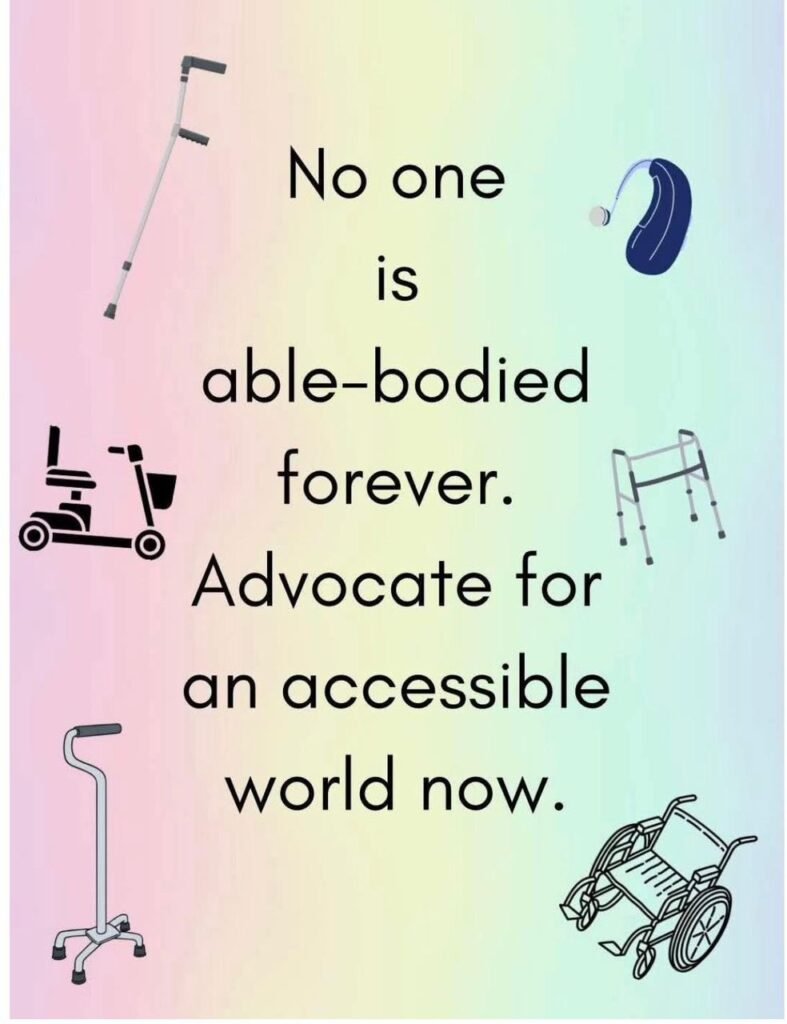
One might assume this silence means the problem doesn’t exist. The opposite is true. It has become so ordinary, so woven into the fabric of daily life, that we’ve lost the vocabulary to name it, let alone the will to challenge it. This is one of the most urgent conversations we are not having, and we cannot afford to look away any longer.
Here is what makes it even more heartbreaking: I have sat with Nigerians living with disabilities who have absorbed these same toxic narratives. Without awareness, without counter-narratives, they end up discriminating against themselves, believing their bodies or minds are inherently lesser, broken, or unworthy.
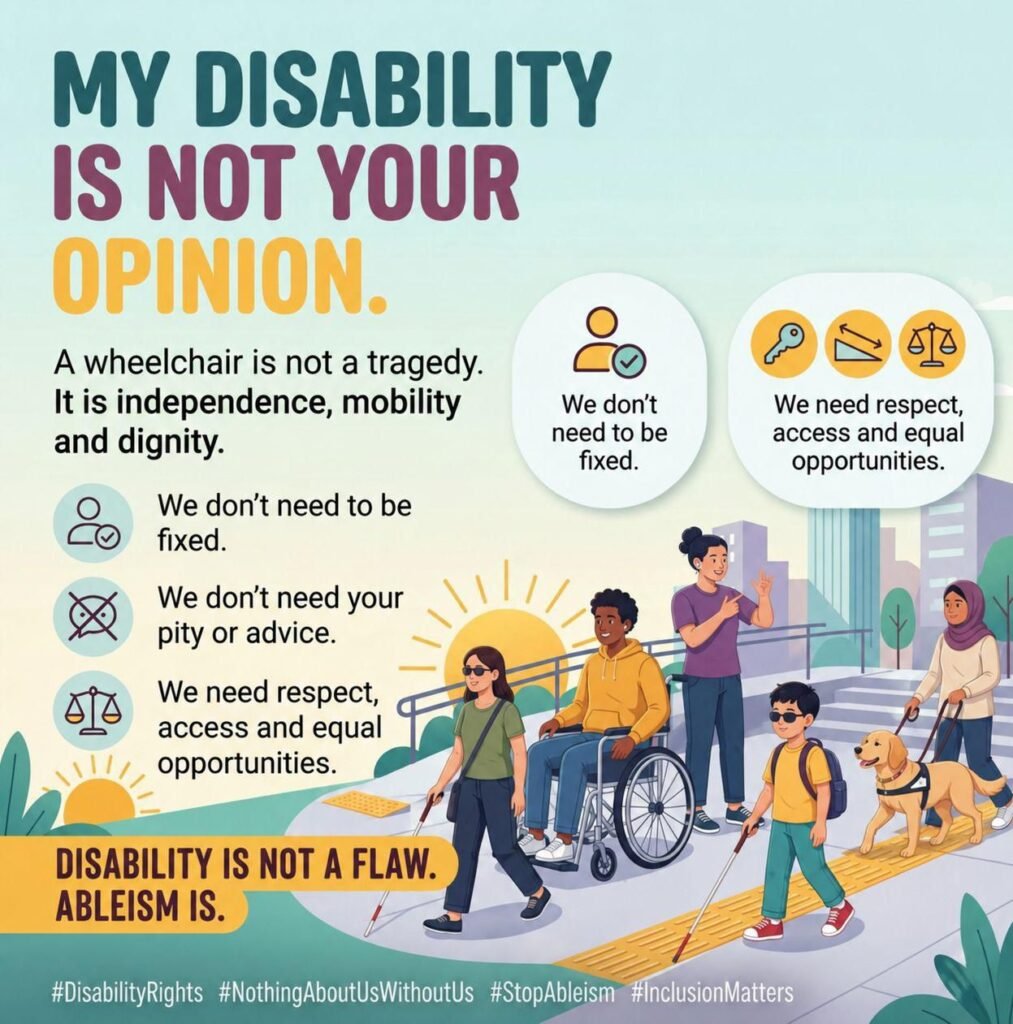
This is the quiet violence of ableism. It operates on a false, unspoken premise: that non-disabled bodies and minds are the “default” human setting, and anything outside that is a deviation, a deficit, or something in need of fixing.
The SID Solution:
But the cure isn’t pity or charity. It is self-love. When we understand that every one of us is created with intention, that our differences, whether from birth or circumstance, are not errors but threads in a larger design, we begin not only to accept ourselves but to take pride in who we are; only then do we become capable of loving others. That shift changes everything.
Let me make this real for you.
Ableism looks like a woman in a wheelchair telling me with complete conviction that she cannot learn to swim, not because of her physical ability, but because society has convinced her she is “not normal.”
Ableism looks like a blind man who was told by his pastor that his condition is a curse from his ancestors. So instead of stepping into a new chapter that still holds beauty, purpose, and joy, he spends his days waiting for a miracle that may never come, while life passes him by.
Saying no to ableism demands a radical mindset shift. It means recognizing that when given equal opportunities and the right support, people with disabilities don’t just cope, they thrive. They excel. They surpass expectations in ways that challenge everything we thought we knew about human potential. A look on our social media posts will convince you.
We see this happen every single day at our organization, Swim in 1 Day SID Africa.
We are the only swimming charity organization in the region that places awareness of ableism at the center of our mission. Through our campaigns, we don’t just teach swimming; we dismantle ignorance, challenge stereotypes, and showcase what becomes possible when PWDs are given a fair chance in a society that values their humanity. Through swim education, hydrotherapy, water safety, and survival swimming, we demonstrate how water grants equality to all body types, and how that empowerment ripples outward, strengthening entire communities.
This isn’t just about learning to float. It’s about learning to rise.
We invite you to join us. Let’s keep creating awareness. Let’s keep challenging the narrative. And let’s keep demanding, loudly, unapologetically, that equal opportunities are not a privilege, but a right.
From wherever you are, become part of the SID Movement. Because change doesn’t start with a miracle. It starts with a shift in how we see each other, and ourselves.
Join the SID movement & campaign for change. Be the shift. Everyone can swim with Swim in 1 Day SID Africa spread the word! Use your voice!
Follow like & comment on social media: @swimin1day a simple way of becoming part of our campaign today.